 Custom
Quote
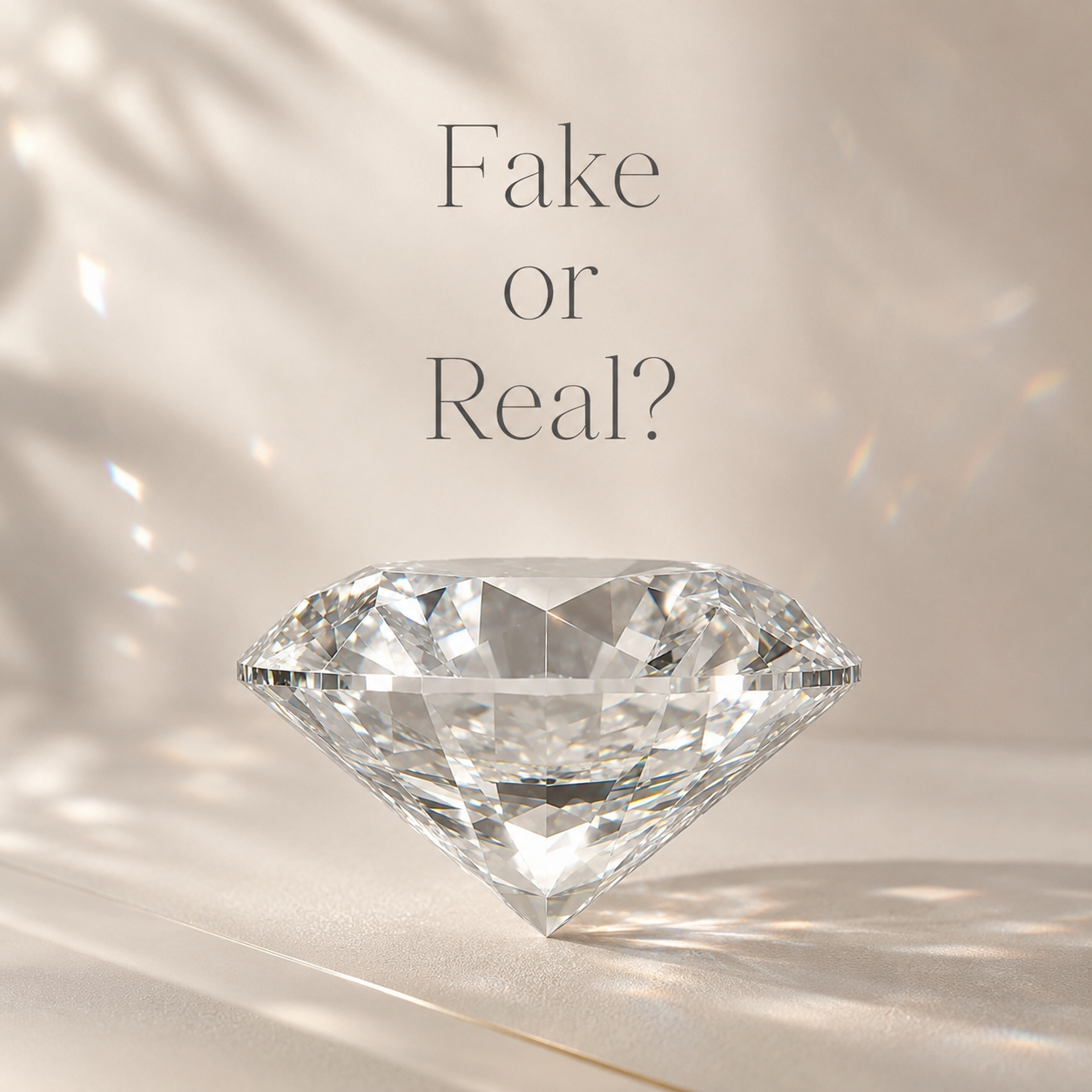
Diamonds, chosen for the ring they become.
A diamond should not be chosen by certificate numbers alone. It should be chosen for visible beauty, durability, design fit, budget sense and the meaning it will carry on the hand.
Are they real?: mined diamonds, CVD diamonds and HPHT diamonds are all real diamonds. The right choice however depends on origin preference, cut quality, size, shape, certification expectations, budget and the final engagement ring design. This page is the parent diamond guide; our dedicated lab-grown diamonds and lab vs mined diamond pages go deeper into those specific decisions.
What diamond should you choose?
Choose the diamond that gives the best visible result in the finished piece, not the diamond that only looks impressive on paper. A diamond can be technically high grade and still feel wrong if the shape, size, setting, colour, proportions or budget trade-off does not suit the ring.
For most engagement rings, the practical decision is made by balancing diamond type, shape, cut, colour, clarity, carat, certification, cost and confidence. OgilvieGems adds design fit as a non-negotiable part of the decision because a diamond is not worn as a loose stone. It is worn as part of a ring.
Best for beauty
Prioritise cut, proportions, shape and how alive the diamond looks in the intended setting.
Best for size
Consider elongated shapes or lab-grown diamonds when visual spread and budget flexibility matter.
Best for tradition
Consider mined diamonds when natural origin and traditional diamond identity carry personal meaning.
Best for confidence
Use certification, clear origin disclosure and professional design guidance to avoid guessing.
Mined, CVD and HPHT diamonds are origin categories, not style categories.
A diamond’s origin tells you how it formed. It does not automatically tell you whether the stone is beautiful, poorly cut, good value or right for the design. This page gives the overview only, so the dedicated lab-grown and lab-vs-mined pages can carry the deeper search intent without cannibalisation.
| Mined diamond | A mined diamond forms naturally underground and is recovered through mining. It is often chosen for natural origin, traditional diamond identity and the emotional meaning attached to a naturally formed stone. |
|---|---|
| CVD diamond | A CVD diamond is a lab-grown diamond created through chemical vapour deposition. It is a real diamond with laboratory origin and should not be confused with moissanite or cubic zirconia. |
| HPHT diamond | An HPHT diamond is a lab-grown diamond created using high pressure and high temperature conditions. HPHT can also refer to treatment processes in certain diamond contexts, so disclosure and certification context matter. |
| Simulants | Moissanite and cubic zirconia are not diamonds. They can be beautiful in their own right, but they are different materials and should never be sold or explained as the same thing as diamond. |
The 4 Cs matter, but they are not the whole decision.
Cut, colour, clarity and carat are important, but they need to be interpreted through the ring design. OgilvieGems also considers cost and confidence because clients need a diamond that looks beautiful, fits the design, makes financial sense and is understood clearly before purchase.
Cut controls life.
Cut affects sparkle, light return and how alive the diamond appears. A larger diamond with weak light performance can look flatter than a smaller, better selected diamond.
Colour changes the final tone.
Colour affects how white or warm the diamond appears, especially against white gold, platinum, yellow gold or rose gold.
Clarity should be visible-context driven.
Clarity matters most when inclusions can be seen or when a shape exposes them more easily. Eye-clean beauty is often more important than overpaying for invisible perfection.
Carat is weight, not face size.
Two diamonds with the same carat weight can look different in size depending on shape, cut and proportions.
Cost should serve the design.
The best budget allocation may be a different diamond type, shape, size or setting detail so the finished ring feels right.
Confidence prevents regret.
Clear origin disclosure, practical education, certification where useful and a proper design process help clients choose without pressure or confusion.
Shape is not a small detail.
The diamond shape often changes the entire personality of the ring. It affects size appearance, finger coverage, setting style, wedding band fit and the emotion of the design.
Round, oval, pear, emerald, cushion, radiant, princess, marquise and asscher diamonds do not behave the same in a ring. Some shapes feel classic. Some feel modern. Some give more visual spread. Some need more protective settings.
Explore diamond shapesA certificate confirms details. It does not design the ring for you.
Diamond certification can help confirm carat, colour, clarity, cut and origin disclosure. It is especially useful when the stone is larger, higher value or when specifications strongly affect pricing.
But certification is not the full buying decision. A certificate cannot tell you whether the diamond shape suits the wearer, whether the proportions look right in the chosen setting, whether the wedding band will sit correctly, or whether the design feels emotionally right.
Useful for origin
Reports can help confirm whether a diamond is mined or lab-grown.
Useful for specs
Reports can show important grading details such as carat, colour and clarity.
Useful for comparison
Certification can make it easier to compare diamonds on paper.
Not a design substitute
The final ring still needs proportion, setting and wearability guidance.
A better diamond decision is not always a more expensive diamond decision.
The question is not only “What diamond can I afford?” The better question is “How should the budget be placed so the finished ring feels right?” Sometimes that means a larger lab-grown diamond. Sometimes it means a smaller mined diamond. Sometimes it means spending less on one grade and more on the setting, metal, side stones or wedding band fit.
Size value
Clients who want a larger visual centre stone may benefit from lab-grown diamond options or elongated shapes.
Traditional value
Clients who value natural origin may prefer mined diamonds even when the same budget buys a smaller stone.
Design value
A balanced design can feel more luxurious than putting the whole budget into a centre stone while weakening the setting.
Do not buy the stone in isolation.
The diamond, setting, metal, hand proportions, lifestyle and wedding band all influence the final result. A custom process lets the diamond support the design instead of fighting it.
The process starts with the desired ring, not a spreadsheet of stone grades. We look at the design direction, preferred shape, budget, diamond type, metal, lifestyle and visual expectation before narrowing the diamond options.
Start with the design.
Share the ring style, shape preference and inspiration so the diamond choice supports the actual piece being made.
Choose the diamond route.
Decide whether mined, CVD or HPHT better fits the client’s priorities around origin, size, budget and meaning.
Refine specs with context.
Balance cut, colour, clarity, carat, certification and cost according to the final design.
Confirm the custom build.
The diamond is chosen as part of the full custom ring, including metal, setting style, structure and wearability.
Approve before production.
CAD and quote approval allow the diamond choice to become a planned, balanced, wearable piece.
Create with intention.
The final stone should support the design, not force the design into the wrong proportions.
Diamond FAQ
What is the best diamond to choose for an engagement ring?
The best diamond is the one that balances beauty, durability, budget, shape, certification expectations and the design of the ring. A well-cut diamond with the right shape and visible quality is usually more important than chasing one specification in isolation.
Are lab-grown diamonds real diamonds?
Yes. Lab-grown diamonds are real diamonds with a laboratory origin. They are not moissanite, cubic zirconia or imitation stones. For a deeper explanation, OgilvieGems has a dedicated lab-grown diamonds page.
Should I choose a lab-grown diamond or a mined diamond?
Choose based on your priorities. Lab-grown diamonds often suit buyers wanting diamond composition, visual size and budget flexibility. Mined diamonds often suit buyers who value natural origin and traditional market identity. OgilvieGems has a dedicated lab-vs-mined diamond comparison page for this decision.
Does diamond certification matter?
Diamond certification can matter when specifications strongly affect price, especially for larger or higher-value stones. Certification helps confirm carat, colour, clarity, cut and origin disclosure, but it does not replace visual selection and good design advice.
What diamond shape looks the biggest?
Elongated shapes such as oval, pear, marquise and elongated cushion diamonds can often look larger on the hand than round diamonds of the same carat weight. Shape should still be chosen according to the ring design and the wearer’s style.
What matters most when buying a diamond?
Cut quality, visible beauty, shape, size, colour, clarity, certification expectations, budget and the final ring design all matter. The strongest diamond choice is not always the highest grade on paper; it is the diamond that performs beautifully in the finished piece.
Choose the diamond with the final ring in mind.
Send us your preferred shape, budget, diamond type, ring inspiration and any certification expectations. We will help you approach the diamond choice clearly, practically and beautifully.